Import air and sea freight services are essential components of international logistics, enabling businesses to transport goods efficiently across global markets. These services provide flexible shipping options depending on the urgency, volume, and nature of the cargo. By combining expertise in transportation, documentation, and customs regulations, freight service providers ensure that goods are delivered safely and on time.
Air freight services are widely used for time-sensitive shipments. Goods transported by air typically reach their destination much faster compared to other modes of transport, making this option ideal for perishable items, high-value products, pharmaceuticals, and urgent deliveries. Airlines operate through major international airports, offering frequent schedules and reliable transit times. Import air freight involves processes such as cargo booking, airway bill preparation, customs clearance, and final delivery to the consignee. Although air freight is generally more expensive than sea freight, its speed and reliability often justify the cost for businesses requiring quick turnaround times.
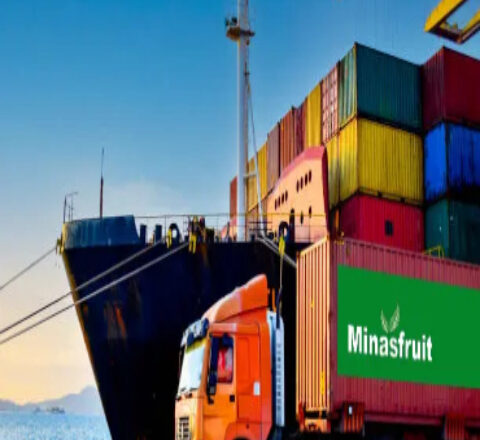
Sea freight services, on the other hand, are the preferred choice for transporting large volumes of goods at a lower cost. Cargo is shipped via container vessels, with options such as Full Container Load (FCL) and Less than Container Load (LCL). FCL is suitable for large shipments that can fill an entire container, while LCL allows multiple consignments from different shippers to share container space, reducing costs for smaller shipments. Import sea freight involves coordination with shipping lines, port authorities, and customs officials to ensure smooth handling of cargo from origin to destination. Though transit times are longer compared to air freight, sea freight is highly economical and capable of handling a wide range of goods, including heavy machinery, raw materials, and bulk commodities.
Both air and sea freight services require comprehensive documentation, including commercial invoices, packing lists, bills of lading or airway bills, import licenses, and certificates of origin. Accurate documentation is crucial to avoid delays and ensure compliance with international trade regulations. Freight forwarders often assist importers by managing these documents, coordinating shipments, and providing tracking updates throughout the transit process.
Another important aspect of import freight services is cargo handling and storage. Upon arrival, goods may be temporarily stored in warehouses or bonded facilities until customs clearance is completed. Service providers also offer value-added services such as cargo insurance, packaging, labeling, and door-to-door delivery, enhancing the overall efficiency of the supply chain.
Technology has significantly improved the efficiency of import freight services. Digital platforms allow real-time tracking of shipments, automated documentation, and seamless communication between stakeholders. This transparency helps businesses plan better and respond quickly to any disruptions.
In conclusion, import air and sea freight services play a crucial role in facilitating global trade by providing reliable and efficient transportation solutions. While air freight offers speed and convenience for urgent shipments, sea freight provides cost-effective options for large-scale transportation. By leveraging professional logistics support and modern technology, businesses can ensure smooth import operations and maintain a competitive edge in the global marketplace.