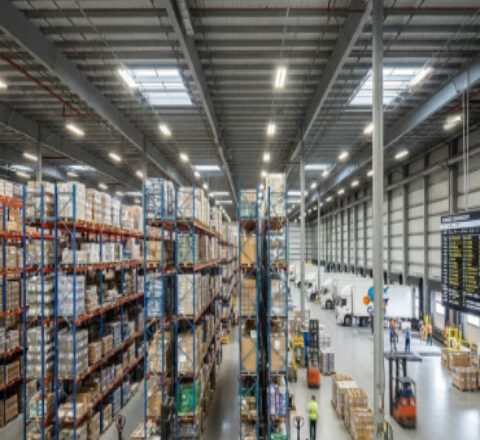
Warehousing and storage facilities play a vital role in modern supply chains by providing a secure and organized space for storing goods before distribution or sale. These facilities act as a bridge between production and consumption, ensuring that products are available when and where they are needed. Efficient warehousing helps businesses manage inventory, reduce transportation costs, and improve customer satisfaction by enabling timely delivery.
A warehouse is more than just a storage space; it is a strategically managed facility designed to handle the receipt, storage, and dispatch of goods. When products arrive at a warehouse, they undergo a receiving process where quantities and conditions are checked against shipping documents. Once verified, items are stored in designated locations based on their type, size, demand frequency, and handling requirements. Modern warehouses use systematic layouts and inventory management systems to ensure that goods can be easily located and retrieved.
Storage facilities vary depending on the nature of goods being handled. For example, general warehouses store non-perishable items, while specialized facilities such as cold storage warehouses are designed for perishable goods like food, pharmaceuticals, and chemicals that require controlled temperature and humidity. Bonded warehouses are another important type, where imported goods can be stored without immediate payment of duties until they are released for domestic use or re-exported. This provides financial flexibility to businesses engaged in international trade.
Technology has significantly transformed warehousing operations. Warehouse Management Systems (WMS) enable real-time tracking of inventory, optimize storage space, and improve order accuracy. Automation tools such as conveyor belts, barcode scanners, and robotic picking systems have increased efficiency and reduced human error. Additionally, the integration of data analytics allows businesses to forecast demand, manage stock levels, and streamline operations.
Security and safety are critical aspects of warehousing and storage facilities. Proper measures such as surveillance systems, fire protection equipment, and access controls are implemented to protect goods from theft, damage, or loss. Facilities must also comply with safety regulations and standards, especially when storing hazardous or sensitive materials. Regular inspections and maintenance ensure that the infrastructure remains reliable and secure.
Another important function of warehousing is value-added services. Many facilities offer services such as packaging, labeling, sorting, and assembly, which help businesses prepare products for market. Cross-docking is another efficient practice where goods are directly transferred from incoming to outgoing transportation with minimal or no storage time, reducing handling costs and speeding up delivery.
Strategic location is a key factor in the effectiveness of warehousing. Facilities are often situated near transportation hubs such as ports, highways, rail terminals, or airports to facilitate quick movement of goods. This reduces transit time and improves supply chain efficiency. In addition, businesses may use multiple warehouses in different regions to ensure faster delivery to customers.
In conclusion, warehousing and storage facilities are essential components of logistics and supply chain management. They provide safe storage, efficient inventory management, and value-added services that support smooth business operations. With the integration of advanced technology and strategic planning, modern warehouses have evolved into dynamic hubs that enhance productivity, reduce costs, and contribute to overall business success.