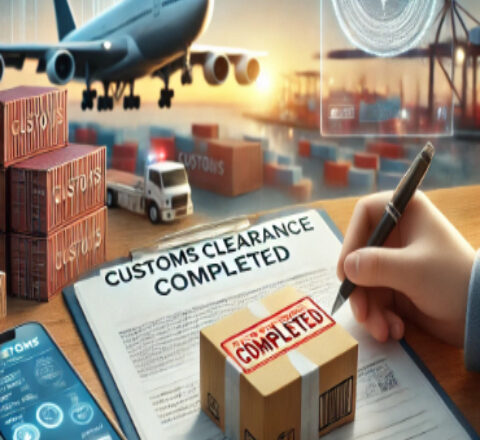
Custom clearance in import and export is a crucial process that ensures goods move across international borders in compliance with the laws and regulations of the respective countries. It involves the preparation, submission, and approval of documentation required to facilitate the smooth movement of goods while ensuring that all duties, taxes, and legal obligations are properly fulfilled. Without proper customs clearance, shipments can face delays, penalties, or even confiscation, making it an essential component of global trade.
In the import process, customs clearance begins when goods arrive at the destination country. Importers or their appointed customs brokers must submit necessary documents such as the bill of entry, commercial invoice, packing list, bill of lading or airway bill, and any applicable licenses or permits. Customs authorities review these documents to verify the nature, value, and classification of goods. Based on this assessment, duties and taxes are calculated according to the applicable tariff rates. Once the importer pays these charges and the documents are approved, the goods are released for delivery.
Export customs clearance, on the other hand, takes place in the country from which goods are being shipped. Exporters are required to file a shipping bill along with supporting documents such as invoices, packing lists, and export licenses if needed. The customs department examines the goods and documentation to ensure that the export complies with national regulations, including restrictions on certain goods, adherence to trade agreements, and correct valuation. After clearance, the goods are allowed to leave the country and proceed to their destination.
One of the key aspects of customs clearance is proper classification under the Harmonized System (HS) code. This standardized system helps determine the applicable duty rates and ensures uniformity in international trade. Incorrect classification can lead to penalties or delays, highlighting the importance of expertise in handling customs procedures. Similarly, accurate valuation of goods is critical, as under- or over-invoicing can raise compliance issues.
Customs clearance also plays a significant role in ensuring national security and regulatory compliance. Authorities may inspect shipments to prevent the entry or exit of prohibited or restricted items, such as hazardous materials, counterfeit goods, or items subject to trade sanctions. In some cases, shipments are selected for random inspection, which may involve physical examination or scanning.
To simplify the process, many businesses rely on licensed customs brokers or freight forwarders who specialize in handling documentation and liaising with customs authorities. These professionals help minimize errors, reduce delays, and ensure compliance with changing regulations. Additionally, advancements in digital systems and electronic data interchange (EDI) have streamlined customs procedures, allowing faster processing and improved transparency.
In conclusion, customs clearance is an integral part of import and export operations, ensuring that goods move legally and efficiently across borders. It requires careful documentation, compliance with regulations, and coordination between multiple parties. A well-managed customs clearance process not only avoids delays and penalties but also contributes to the smooth functioning of international trade.