Local transportation and trucking services form the backbone of domestic logistics, ensuring the efficient movement of goods within cities, regions, and across short to medium distances. These services are essential for connecting warehouses, distribution centers, ports, retail outlets, and end customers, enabling smooth supply chain operations and timely deliveries.
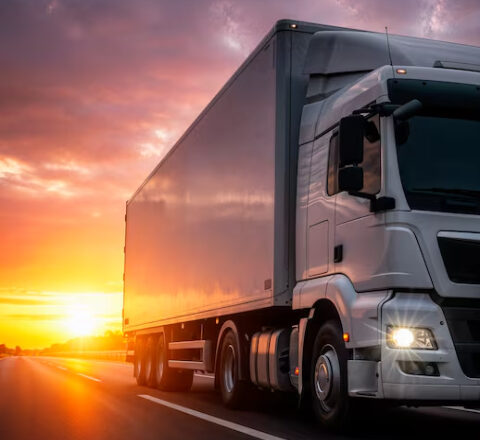
Trucking is one of the most widely used modes of local transportation due to its flexibility and accessibility. Unlike rail or air transport, trucks can reach almost any location, including remote and rural areas, making them ideal for first-mile and last-mile delivery. Businesses rely on trucking services to transport a wide variety of goods, ranging from raw materials and industrial equipment to consumer products and perishable items.
Local transportation begins with route planning and scheduling. Efficient route optimization helps reduce fuel consumption, transit time, and operational costs. Modern logistics companies use GPS tracking and route management software to monitor vehicle movement in real time and adjust routes based on traffic conditions or delivery priorities. This ensures faster and more reliable service.
There are different types of trucking services designed to meet specific transportation needs. Full Truckload (FTL) services are used when a shipment occupies an entire truck, offering faster transit and reduced handling. Less Than Truckload (LTL) services allow multiple shipments from different customers to share space in a single truck, making it a cost-effective option for smaller consignments. Specialized trucking is also available for goods that require unique handling, such as refrigerated trucks for perishable items, flatbed trucks for oversized cargo, and tanker trucks for liquids.
Safety and compliance are critical aspects of local transportation. Trucks must adhere to road safety regulations, weight limits, and environmental standards. Drivers are trained to handle cargo responsibly and follow proper safety procedures to minimize risks during transit. Regular vehicle maintenance and inspections further ensure reliability and reduce the chances of breakdowns or accidents.
Technology has significantly enhanced the efficiency of trucking operations. Fleet management systems allow companies to track vehicles, monitor driver performance, and manage fuel usage. Electronic proof of delivery (ePOD) systems provide real-time confirmation of deliveries, improving transparency and customer satisfaction. Additionally, digital platforms enable seamless communication between drivers, dispatchers, and customers.
Another important feature of local transportation services is their integration with warehousing and distribution systems. Goods are often transported from storage facilities to retail outlets or directly to customers as part of a coordinated logistics network. This integration helps maintain inventory flow, reduce delays, and improve overall supply chain efficiency.
In conclusion, local transportation and trucking services are indispensable for the movement of goods within domestic markets. Their flexibility, reliability, and ability to reach diverse locations make them a key component of logistics operations. With advancements in technology and efficient management practices, trucking services continue to evolve, offering faster, safer, and more cost-effective solutions for businesses across various industries.